
Fabric Sofa Cleaning: The Complete Guide to a Fresh, Spotless Couch
Master the art of fabric sofa cleaning with proven methods for stain removal, odor elimination, and deep cleaning. Keep your upholstery looking new for years.
Start Cleaning GuideWhy Fabric Sofa Cleaning Matters: Your fabric sofa is the centerpiece of your living room, but it's also a magnet for dust, spills, pet hair, and everyday grime. Regular cleaning not only keeps it looking beautiful but also extends its lifespan and protects your investment. This guide covers everything from weekly maintenance to deep cleaning methods.
Understanding Your Fabric Sofa Before You Clean
Before you grab any cleaning product, the most important step is identifying what type of fabric you're dealing with. Different upholstery materials require different cleaning approaches. The wrong method can cause shrinkage, color bleeding, or permanent damage. Start by checking the manufacturer's care tag, usually found under the seat cushions or on the sofa frame. The tag uses standardized cleaning codes:
W
Water-based cleaners are safe. Use mild detergent solutions for spot cleaning and deep cleaning.
S
Solvent-based cleaners only. Never use water — it can cause stains and damage the fibers.
WS
Both water and solvent-based cleaners are safe. The most flexible option for cleaning.
X
Vacuum only. No liquid cleaners. These fabrics are delicate and require professional care for stains.
Once you know your cleaning code, you can choose the right products and techniques. If you're still researching sofa fabrics and their properties, our sofa fabric material hub provides detailed guides on linen, cotton, polyester, and performance fabrics. Understanding your fabric's durability and stain resistance helps you clean more effectively and prevents costly mistakes.
Daily and Weekly Fabric Sofa Maintenance
Consistent maintenance is the secret to a sofa that stays fresh between deep cleans. These simple habits take just minutes but make a huge difference in keeping your fabric sofa looking its best and reducing the need for aggressive cleaning.
Daily Habits
- Vacuum or brush daily: Use a soft brush attachment to remove surface dust, crumbs, and pet hair. This prevents particles from settling into the fabric weave.
- Fluff and rotate cushions: Rotating and flipping cushions daily distributes wear evenly and prevents sagging. Our cushion flipping guide explains the best rotation schedule for different cushion types.
- Address spills immediately: Blot — never rub — spills with a clean, dry cloth. The longer a spill sits, the harder it is to remove.
Weekly Tasks
- Deep vacuum: Use a crevice tool to reach between cushions, along seams, and under the sofa. This removes hidden dust and allergens.
- Check for stains: Inspect your sofa weekly for new spots or stains you might have missed. Early treatment is always easier and more successful.
- Air out cushions: Remove cushions and let them air out for a few hours. This reduces moisture and prevents musty odors. For persistent smells, see our sofa odor removal guide.
Following a consistent maintenance routine, as outlined in our sofa maintenance schedule, can dramatically extend the life of your fabric sofa and keep it looking newer for longer.
Spot Cleaning and Stain Removal Techniques
Accidents happen — a dropped snack, a pet accident, or a spilled drink. Knowing how to tackle stains quickly and correctly is essential for fabric sofa cleaning. The key is to act fast and use the right technique for the type of stain.
General Spot Cleaning Steps
- Blot, don't rub: Use a clean, white cloth or paper towel to blot the stain gently. Rubbing pushes the stain deeper into the fabric and can damage fibers.
- Test in a hidden area: Always test any cleaning solution on an inconspicuous spot first to check for colorfastness and fabric reaction.
- Apply cleaner: Use a mild detergent solution or a fabric-appropriate commercial cleaner. Apply to the cloth, not directly to the sofa, to avoid over-saturation.
- Work from the outside in: Clean from the edges of the stain toward the center to prevent spreading.
- Rinse and blot dry: Use a clean damp cloth to remove cleaner residue, then blot dry with a towel. Avoid leaving excess moisture.
Common Stain-Specific Tips
Coffee & Tea
Blot immediately. Mix one tablespoon of mild dish soap with two cups of cold water. Apply, blot, and rinse. For stubborn stains, try a vinegar and water solution.
Pet Accidents
Blot up as much as possible. Use an enzyme-based cleaner to break down proteins and eliminate odors. Avoid ammonia-based cleaners, which can attract pets back to the spot.
Ink & Marker
Dab with rubbing alcohol on a cotton ball. Test first. For water-based inks, a mild soap solution may work. For permanent markers, professional cleaning is often best.
Grease & Oil
Blot excess. Sprinkle baking soda or cornstarch to absorb oil. Let sit, then vacuum. Follow with a mild detergent solution and blot dry.
For a comprehensive guide on treating every type of stain, from wine to wax, visit our sofa stain removal guide. It covers the best products and methods for each situation. If you prefer a more hands-on approach, our DIY sofa cleaning guide offers recipes for homemade cleaning solutions using common household ingredients.
Having the right tools makes stain removal easier and more effective. Our sofa cleaning tools guide reviews essential brushes, vacuums, and cleaning kits that every fabric sofa owner should have.
Deep Cleaning Your Fabric Sofa
While spot cleaning handles everyday messes, a thorough deep clean removes embedded dirt, allergens, and bacteria that accumulate over time. For fabric sofas, there are several deep cleaning methods, and choosing the right one depends on your sofa's fabric code and your comfort level.
Method 1: Steam Cleaning
Steam cleaning uses hot water vapor to penetrate fabric fibers, loosening dirt and killing dust mites and bacteria. It's an excellent option for most water-safe (W and WS) fabrics. A steam cleaner with a fabric attachment is ideal. Move slowly over the surface, allowing the steam to do the work. Avoid over-wetting, and ensure the sofa dries completely to prevent mold. Our steam cleaning sofas guide covers equipment recommendations and step-by-step instructions.
Method 2: Shampooing with a Machine
Upholstery cleaning machines (or carpet cleaners with a upholstery attachment) inject a cleaning solution and extract it along with dirt. This is one of the most effective deep cleaning methods for fabric sofas. Use a mild upholstery shampoo, and always follow with a clean water rinse to remove residue. Allow the sofa to dry thoroughly — this can take 6–12 hours. For detailed guidance, see our deep cleaning sofas guide.
Method 3: Professional Cleaning
For delicate fabrics (code S or X) or if you're unsure about DIY methods, hiring a professional upholstery cleaner is the safest choice. Professionals have specialized equipment and knowledge to clean without damaging your sofa. It's also a good option for high-end or vintage pieces.
Important: Always check your sofa's warranty before deep cleaning. Some manufacturers require professional cleaning to maintain warranty coverage. Also, never saturate your sofa — excess moisture can cause mold, mildew, and fabric degradation.
Eliminating Odors and Keeping Your Sofa Fresh
Even a clean-looking fabric sofa can harbor unpleasant odors from pets, food, smoke, or moisture. Odor molecules become trapped in the fabric and padding, and surface cleaning alone won't remove them. Here's how to eliminate odors and keep your sofa smelling fresh.
- Baking soda treatment: Sprinkle a generous amount of baking soda over the entire sofa. Let it sit for several hours or overnight. Vacuum thoroughly. Baking soda absorbs odors naturally and is safe for most fabrics.
- Vinegar spray: Mix equal parts white vinegar and water in a spray bottle. Lightly mist the sofa (test first) and let it air dry. Vinegar neutralizes odors as it evaporates. The vinegar smell disappears once dry.
- Activated charcoal: Place bowls of activated charcoal near the sofa (or under cushions) to absorb odors over time. Replace monthly.
- Enzyme cleaners: For pet odors, use an enzyme-based cleaner that breaks down the organic compounds causing the smell. Apply, let it dwell, then blot dry.
- Ventilation: Open windows and use fans to circulate air. Moisture and stale air are major contributors to musty odors. Our moisture protection guide explains how to prevent dampness-related problems.
Prevention is key. Using a fabric protector creates a barrier that repels liquids and stains, making cleanup easier and reducing odor-causing buildup. For pet owners, a pet sofa protector is an excellent investment. Also consider a sofa cover for everyday protection, especially in high-traffic homes.
Fabric-Specific Cleaning Tips
Not all fabrics are created equal. Here are tailored cleaning tips for the most common upholstery materials:
Linen
Linen is durable but prone to wrinkles and shrinkage. Use a mild detergent and cold water. Avoid excessive rubbing. Air dry only. For more, see our linen sofa guide.
Cotton
Cotton is generally easy to clean and can handle water-based cleaners. However, it can shrink and fade. Test first, use cold water, and avoid harsh chemicals. Learn more in our cotton sofa guide.
Polyester
Polyester is stain-resistant and durable. Most polyester fabrics are code W or WS. Use a mild detergent and warm water. Avoid high heat, which can damage fibers. See our polyester sofa guide.
Performance Fabrics
Performance fabrics are engineered for easy cleaning and stain resistance. They often have a protective coating. Clean with water and mild soap. Learn more in our performance fabric sofas guide.
Microfiber
Microfiber is soft and stain-resistant but can be tricky. Use a mild detergent and a soft brush. Avoid over-wetting. For details, see our microfiber sofas guide.
Blends
Blended fabrics combine the best (and worst) of their components. Identify the dominant fiber and follow its care guidelines. Our blend fabrics guide can help.
If you're unsure about your fabric type or it's particularly delicate, consult a professional. And remember, regular maintenance and prompt stain treatment are always the best defense.
Protecting Your Fabric Sofa from Future Stains
Cleaning is important, but prevention is even better. These proactive steps will keep your fabric sofa cleaner for longer and reduce the frequency of deep cleaning.
- Apply a fabric protector: A good quality fabric protector spray creates an invisible barrier against spills and stains. Reapply according to the manufacturer's instructions. See our fabric protector guide for top recommendations.
- Use washable covers or slipcovers: Removable covers are a game-changer. They can be taken off and washed regularly, protecting the sofa underneath. Our stretch slipcovers guide reviews the best options.
- Add furniture protectors: Felt pads under legs prevent scratches, and furniture protectors can shield against spills and wear in high-use areas.
- Keep pets and kids in mind: If you have pets or young children, choose easy-to-clean fabrics and use pet-friendly sofa fabrics and kid-friendly sofa fabrics when purchasing. Also consider a pet sofa protector.
- Rotate and flip cushions regularly: As mentioned, this prevents uneven wear and keeps cushions looking fuller longer. Our cushion flipping guide has more details.
- Control sunlight: Direct sunlight can fade fabric over time. Use curtains or blinds to protect your sofa from UV rays. Our sun fade protection guide explains how to prevent fading.
By combining regular cleaning with preventive measures, you can enjoy a fresh, beautiful fabric sofa for many years. For a comprehensive overview of all aspects of sofa care, visit our sofa care and maintenance hub.
When to Call a Professional Cleaner
While many fabric sofa cleaning tasks are DIY-friendly, there are times when professional help is the smartest choice:
- Delicate fabrics: If your sofa has a code S or X, or is made of silk, velvet, or other delicate materials, professional cleaning is safest.
- Stubborn stains: If a stain won't budge after your best efforts, or if you're worried about damaging the fabric, call a pro.
- Persistent odors: Odors that won't go away may require professional-grade treatments.
- Large or heavily soiled sofas: Sectional sofas and large sofas can be challenging to clean thoroughly on your own.
- Mold or mildew: If you suspect mold growth (often due to moisture), professional remediation is necessary to protect your health and the sofa.
- Warranty requirements: Some warranties require professional cleaning at certain intervals.
Investing in professional cleaning every 12–18 months can extend the life of your fabric sofa and keep it looking its best. It's often worth the cost for high-quality or cherished pieces.
Best Fabric Sofa Cleaning Products
⚠️ AFFILIATE DISCLOSURE: This website contains affiliate links. As an affiliate Associate, we earn from qualifying purchases. If you make a purchase through these links, we may receive a small commission at no additional cost to you. Read our full affiliate policy.

Waterless Fabric and Carpet Cleaner, Carpet Foam Renovater Care (2PCS) | Multi-Surface Fabric and Upholstery Cleaner Spray, Deep Cleaning for Carpets, Mattress, Car Interior, Couch
Check price on Amazon
Waterless Fabric and Carpet Cleaner, Carpet Foam Renovater Care (1PCS) | Multi-Surface Fabric and Upholstery Cleaner Spray, Deep Cleaning for Carpets, Mattress, Car Interior, Couch
Check price on Amazon
Upholstery Dry Cleaning Foam – No-Rinse Fabric Cleaner for Sofas, Couches & Car Seats, Quickly Lifts Stains & Dirt, Safe for Households with Kids & Pets, Easy-to-Use for Fresh & Spotless Furniture
Check price on Amazon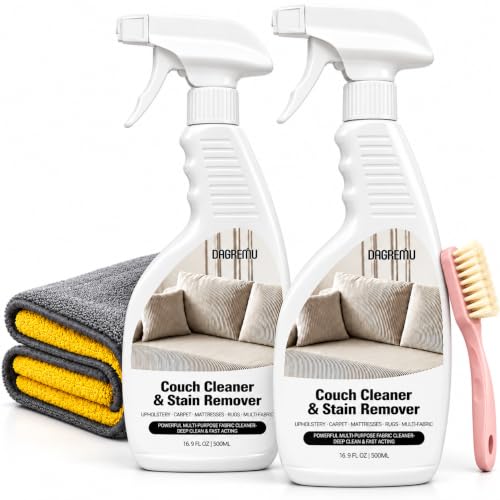
Upholstery Cleaner Spray - Pet Safe | Fabric Cleaner for Couch 33.8 oz | Pet & Kid Safe, Non-Toxic, Quick-Dry, Low-Residue Fabric Cleaner Kit with Brush, Towel for Sofas, Carpets, Mattresses
Check price on Amazon
Soft Bristle Scrub Cleaning Brush Stain Remover Brush Fabric Cleaning Brush Laundry Brush Small Scrub Brush Cleaner Household Cleaning Brushes for Carpet, Clothes, Bathroom,Sneaker-2 Pack (Blue)
Check price on Amazon
ForceField Fabric Cleaner 4 oz, Upholstery Cleaner and Spot Stain Remover | For Couch, Sofa, Carpet, Area Rugs, Clothing and Car Seats, Water Safe Fibers, No Sticky Residue, Helps Prevent Resoiling
Check price on Amazon
FAVIRZCE Upholstery Cleaner for Couch Furniture: Strength Multi-Surface Stain Remover Spray for Carpet Spot - Pet-Safe Non-Toxic Quick-Drying for Fabric Sofas Rug Furniture Couches & Car Interiors
Check price on Amazon
NOYATECH Couch Protector Spray, Sofa Fabric Upholstery Guard, 32 oz
Check price on AmazonFrequently Asked Questions About Fabric Sofa Cleaning
How often should I clean my fabric sofa?
Vacuum weekly, spot clean as needed, and deep clean every 6–12 months, depending on use and fabric type. Homes with pets or allergies may need more frequent deep cleaning.
Can I use a carpet cleaner on my fabric sofa?
Yes, if your sofa's cleaning code is W or WS and you use the upholstery attachment. Always test in a hidden area first and avoid over-wetting. For code S or X fabrics, do not use water-based cleaners.
What is the best way to remove pet hair from a fabric sofa?
Use a rubber glove, lint roller, or vacuum with a pet hair attachment. For embedded hair, a damp sponge or fabric softener sheet can help lift it. Regular vacuuming prevents buildup.
How do I remove a stain I've already tried to clean?
If a stain persists, try a different method appropriate for the stain type and fabric. For tough stains, consider a professional cleaner. Avoid using multiple chemicals at once, as they can react and cause damage.
Can I steam clean a fabric sofa with a code S?
No. Code S fabrics must be cleaned with solvent-based cleaners only. Steam cleaning introduces water, which can damage the fabric. Always follow the care code.
How do I prevent mold on my fabric sofa?
Keep the sofa dry, ensure good air circulation, and avoid placing it in damp areas. If moisture accumulates, use a dehumidifier. Our moisture protection guide has more tips.
Final Thoughts on Fabric Sofa Cleaning
Fabric sofa cleaning doesn't have to be a daunting task. With the right knowledge, tools, and routine, you can keep your sofa looking and feeling fresh for years. Remember to identify your fabric type, follow the care code, act quickly on spills, and maintain regularly. Whether you choose DIY methods or professional cleaning, the key is consistency and using the right techniques for your specific fabric.
Your fabric sofa is more than just furniture — it's where you relax, gather with loved ones, and unwind. Taking good care of it ensures it remains a comfortable and beautiful centerpiece in your home. For more detailed guides on specific aspects of sofa care, explore our sofa care and maintenance hub.