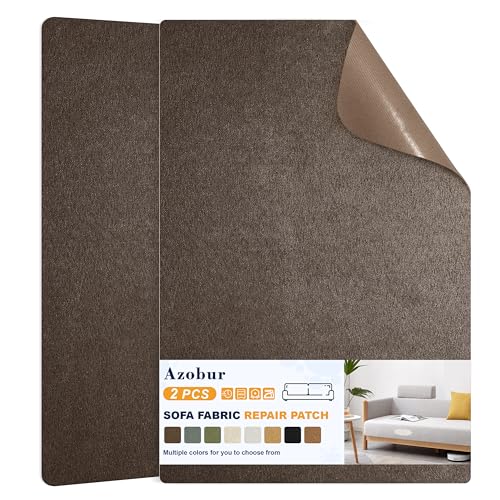
Why Sofa Upholstery Fails Over Time
Upholstery fabric endures daily friction, sunlight, spills, and pet claws. Over months and years, even durable materials begin to show wear. Understanding the cause helps you choose the right repair method instead of guessing.
Common failure points include the seat cushion edges, armrest tops, and the front rail where legs rub against fabric. If your fabric is generally high quality but showing localized damage, a targeted repair is far more efficient than replacing the whole sofa. You can compare fabric resilience using our fabric durability ratings to judge whether repair or replacement makes more sense.
Natural fibers like linen and cotton tend to fray and pill, while synthetic blends resist abrasion but can develop pulled threads. Leather develops cracks and color loss rather than tears. Each material demands a different repair approach, which is why our fabric and material hub is a useful companion to this guide.
Common Types of Sofa Upholstery Damage
Fabric Tears & Rips
Usually caused by sharp objects, pet claws, or seam stress. Small tears under 2 inches are ideal for DIY patching.
Seam Splitting
Occurs when stitching thread weakens or the fabric pulls away from the seam line. Requires re-stitching or seam tape.
Fading & Discoloration
Caused by UV exposure from windows. Fabric dye markers and protective sprays can restore and prevent further damage.
Sagging Cushions
Foam loses resilience or springs weaken. Often fixable with new foam inserts or cushion replacement rather than reupholstery.
Leather Cracks & Scratches
Leather dries out without conditioning. Repair compounds and colorants can restore surface integrity.
Pet Damage
Scratches, chewing, and staining. Heavy-duty patches and protective covers are the most practical fix.
If sagging cushions are your main concern rather than fabric damage, our cushion repair guide covers foam replacement and spring restoration in detail. For fabric-specific cleaning issues that precede damage, see fabric sofa cleaning and leather sofa cleaning.
DIY vs Professional Upholstery Repair: What to Expect
Not every repair requires a professional. The decision usually comes down to three factors: damage size, damage location, and your comfort with basic tools.
DIY-friendly repairs include small fabric tears, minor leather scratches, fading touch-ups, loose cushion covers, and single cushion replacements. These typically cost $10 to $60 in materials and take under two hours.
Professional repairs are recommended for seam reconstruction across multiple panels, full reupholstery, structural frame issues, and recliner mechanism damage. If your sofa has a broken frame or non-functioning recliner, address those first through sofa frame repair or recliner mechanism repair before investing in new fabric.
Realistic Sofa Upholstery Repair Costs
Pricing varies by region, fabric type, and sofa size. The table below reflects typical market rates for common repair scenarios.
| Repair Type | Typical Cost | Best For |
|---|---|---|
| DIY fabric patch kit | $10–$40 | Small tears, pet scratches, minor holes |
| DIY leather repair compound | $15–$50 | Leather scratches, small cracks, color loss |
| Single cushion reupholstery | $75–$250 | One worn or torn cushion cover |
| Seam repair (per section) | $100–$300 | Splitting seams on arms or backrest |
| Full sofa reupholstery | $400–$1,200 | Widespread fabric wear, full fabric change |
| Sectional reupholstery | $1,200–$2,500+ | Large sectionals, recliners, chaise units |
Step-by-Step DIY Sofa Upholstery Repair
These steps cover the most common repair scenario: a fabric tear or hole on a non-visible structural area. Adjust materials based on your fabric type.
- Assess the damage. Measure the tear, check whether the fabric edges are frayed or clean, and confirm whether the underlying foam is exposed. If the foam is torn, repair it first with a foam patch or replacement.
- Gather your tools. You will need fabric scissors, a repair patch or iron-on kit, fabric glue, a needle and matching thread (for seams), and a clean cloth. For leather, use a leather repair compound, filler, and colorant.
- Clean the area. Remove dust, crumbs, and oil from the repair zone. A clean surface ensures adhesive and patches bond properly. Refer to how to clean sofa fabric for safe cleaning methods by material.
- Trim loose threads. Cut away frayed fibers with small scissors so the patch sits flat. Do not pull threads, as this can enlarge the tear.
- Apply the patch or repair compound. For fabric, place an adhesive patch behind the tear and press the edges together. For leather, apply compound in thin layers, drying between coats.
- Reinforce seams if needed. If the tear follows a seam, hand-stitch with a curved upholstery needle using a locking stitch. This is the most durable DIY seam repair.
- Blend and finish. For fabric, use a fabric marker to match color if the patch is visible. For leather, apply colorant and a protective conditioner.
- Let it cure. Allow 24 hours before sitting on the repaired area. Avoid heavy weight for at least 48 hours on structural repairs.
If your sofa has a removable cover, consider replacing or repairing the cover separately. Our sofa cover types guide and stretch slipcovers guide explain when a new cover is more practical than repairing the original fabric.
Tools and Materials You Actually Need
You do not need a full upholstery workshop. A basic repair kit covers most household damage:
For fabric sofas: adhesive fabric patches, iron-on repair tape, curved upholstery needles, heavy-duty thread, fabric scissors, fabric glue, and a color-matching fabric marker.
For leather sofas: leather repair compound, sub-patch material, leather filler, colorant matched to your sofa, and a leather conditioner for post-repair protection.
For cushion and foam issues: replacement foam blocks, batting, and a staple gun if you are re-covering a cushion base. If your cushions are beyond repair, our cushion replacement guide and seat cushion replacement pages walk through sizing and sourcing.
Preventing Future Upholstery Damage
Repair is only half the job. Protecting the fabric afterward extends the life of your work significantly.
Apply a fabric protector spray after any fabric repair to create a stain barrier. Our fabric protector guide explains which formulas are safe for which materials. For leather, regular conditioning prevents the dryness that leads to cracks, as detailed in our leather conditioner guide.
If you have pets, protective covers and throw blankets are the most effective preventive measure. See pet sofa protectors and pet friendly sofa fabrics for durable options. For households with children, kid friendly sofa fabrics offers guidance on easy-clean materials.
Rotate and flip cushions regularly to distribute wear evenly. Our cushion flipping guide and sofa maintenance schedule provide a simple routine that prevents uneven fading and compression.
When Repair Is Not Enough: Signs You Need Reupholstery or Replacement
Repair makes sense when damage is localized. Reupholstery makes sense when fabric is worn across multiple panels but the frame remains solid. Replacement makes sense when the frame is broken, the sofa has structural flex, or repair costs exceed 70% of a new equivalent.
If you are leaning toward replacement, our sectional sofa categories hub helps you compare shapes, and specific guides like L-shape sectional sofas, modular sectional sofas, and small space sectionals narrow down the best fit for your room.
For fabric-forward replacements, explore performance fabric sofas, stain resistant sofas, and microfiber sofas. If leather is your preference, compare genuine leather sofas, top grain leather sofas, and faux leather sofas for durability versus cost.
Frequently Asked Questions
Is it worth repairing sofa upholstery instead of buying a new sofa?
It is usually worth repairing if your sofa frame is solid, the cushions are still supportive, and the damage is limited to fabric tears, fading, or worn patches. Professional reupholstery typically costs $400 to $1,200, which is far less than a quality new sectional priced at $1,500 or more.
How much does professional sofa upholstery repair cost?
Minor repairs such as patching a tear or replacing a cushion cover cost around $75 to $250. Full reupholstery of a standard sofa ranges from $400 to $1,200, while large sectional sofas with reclining mechanisms can cost $1,200 to $2,500 or more depending on fabric choice and labor.
Can I repair sofa upholstery myself without sewing skills?
Yes. Many upholstery repairs are beginner-friendly, including adhesive fabric patches, iron-on repair kits, fabric markers for fading, and self-adhesive leather patches. Sewing is only required for structural seams and full panel replacement.
How do I fix a tear in leather sofa upholstery?
Clean the area, trim loose fibers, apply a leather repair compound or sub-patch behind the tear, then smooth the surface with a leather filler and colorant. For small scratches, a leather balm or color-matched marker is often enough.
How long does reupholstery take?
DIY patch repairs take 30 minutes to 2 hours. Professional full reupholstery usually takes 1 to 3 weeks depending on fabric availability, sofa complexity, and the workshop backlog.