
Seat Cushion Replacement Guide
Is your sofa feeling flat, lumpy, or uncomfortable? A seat cushion replacement can restore your sofa's comfort and extend its lifespan for years to come. Learn how to measure, choose, and install the perfect replacement cushions.
SHOP REPLACEMENT CUSHIONSWhy Replace Your Seat Cushions? Sofa frames are built to last for decades, but cushions endure the most wear and tear. Replacing worn-out cushions is a cost-effective alternative to buying a new sofa, and it can dramatically improve your comfort and the appearance of your living space.
Recommended Seat Cushion Replacements
⚠️ AFFILIATE DISCLOSURE: This website contains affiliate links. As an affiliate Associate, we earn from qualifying purchases. If you make a purchase through these links, we may receive a small commission at no additional cost to you. Read our full affiliate policy.

Dorman 926-859 Front Driver Side Seat Cushion Pad Compatible with Select Ford Models, White
Check price on Amazon
Dorman 926-897 Driver Side Seat Bottom Cushion | Fits Select Chevrolet / GMC Models, Tan
Check price on Amazon
NLQR Front Driver Bottom Replacement Seat Cover & Foam Cushion Compatible with Chevy Silverado Tahoe Suburban Avalanche GMC Yukon Sierra 1500 2500HD 3500HD 2007 2008 2009 2010 2011 2012 2013 2014
Check price on Amazon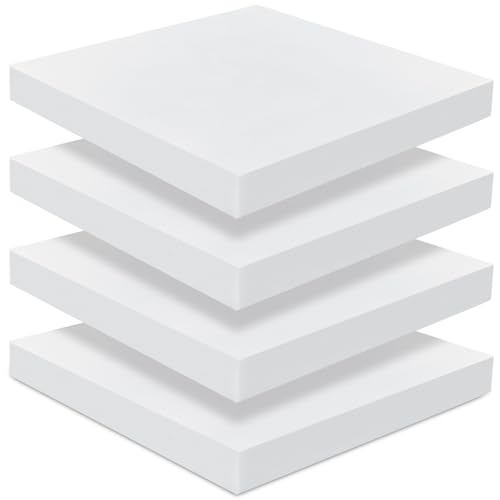
Frienda 4 Pack 2" x 20" x 20" Upholstery High Density Foam Cushion, White | 2.2 Density 50ILD Cushion Foam Replacement Square Cut to Size Chair Padding Seat Couch for Shipping, Benches, Mailing, DIY
Check price on Amazon
GoTo Foam 1" Height x 24" Width x 72" Length 44ILD (Firm) Upholstery Cushion Made in USA
Check price on Amazon
FOAMYFOAM High Density 6 inch Thick, 24 inch Wide, 24 inch Long Upholstery Foam, Cushion Replacement
Check price on Amazon
Dorman 926-899 Front Driver Side Seat Bottom Cushion | Fits Select Ford Models
Check price on Amazon
Dorman 926-860 Front Driver Side Seat Bottom Cushion | Fits Select Dodge / Ram Models, White
Check price on AmazonSigns You Need a Seat Cushion Replacement
Cushions don't last forever, but knowing when to replace them can save you from unnecessary discomfort and premature sofa replacement. Here are the most common signs that your seat cushions need replacing:
- Visible sagging or flattening: When you sit down and the cushion barely springs back, the foam has lost its resilience.
- Lumpy or uneven surfaces: Inner springs or foam layers may have shifted or broken down, creating uncomfortable bumps.
- Frequent bottoming out: If you can feel the sofa frame through the cushion when seated, the foam density has deteriorated.
- Fabric wear and tears: While covers can sometimes be replaced separately, extensive fabric damage often signals it's time for a full cushion replacement.
- Persistent odors: Cushions absorb spills, pet accidents, and moisture over time. If deep cleaning doesn't eliminate odors, replacement is the best solution.
- Allergies or dust sensitivity: Old foam can harbor dust mites, mold, and allergens. New cushions provide a healthier seating environment.
If you're experiencing any of these issues, replacing your seat cushions is a smart investment. You can explore our complete cushion replacement guide for a broader overview, or continue reading to learn about specific cushion types and materials.
How to Measure Your Sofa for Replacement Cushions
Accurate measurements are the most critical step in the seat cushion replacement process. A cushion that's too large won't fit properly, while one that's too small will slide around and leave gaps. Follow these steps for precise measurements:
- Remove the existing cushion: Take the cushion out of the sofa and place it on a flat surface.
- Measure width: Measure from the left edge to the right edge at the widest point. If the cushion is rectangular, measure both the front and back edges to ensure accuracy.
- Measure depth: Measure from the front edge to the back edge at the deepest point.
- Measure thickness: Compress the cushion slightly and measure the height from the bottom to the top. For a more accurate reading, measure the uncompressed thickness as well.
- Note the shape: Is the cushion square, rectangular, trapezoidal, or T-shaped? Some sofas have angled or curved cushions that require custom ordering.
- Account for the cover: If you're ordering just the foam insert, remember that the cover will add approximately 1–2 inches to each dimension. If you're ordering a complete replacement (foam + cover), use your current cushion measurements as the target size.
Pro Tip: Always measure twice and write down your dimensions in inches. If your sofa has multiple cushions, measure each one individually, as they may vary slightly due to manufacturing tolerances or uneven wear. For more guidance on sofa dimensions, see our sofa size guide.
Choosing the Right Cushion Fill Material
The fill material determines how your replacement cushions feel, how long they last, and how much they cost. Here's a comparison of the most popular options:
| Fill Type | Feel | Durability | Best For |
|---|---|---|---|
| High-Density Foam | Firm, supportive | Excellent (5–10 years) | Daily-use sofas, people with back pain |
| Memory Foam | Soft, contouring | Good (3–7 years) | Those who want personalized comfort |
| Down & Feather | Plush, luxurious | Moderate (needs fluffing) | Formal living rooms, low-traffic areas |
| Polyester Fiberfill | Soft, lightweight | Low (1–3 years) | Budget replacements, decorative cushions |
| Spring & Foam Hybrid | Bouncy, supportive | Very Good (5–8 years) | Traditional sofas, those who like a springy feel |
For a deeper dive into foam options, check out our foam cushion guide. If you prefer a softer, more luxurious feel, our down cushion guide explains the pros and cons of feather-filled cushions. And if you want the contouring benefits of memory foam, see our memory foam sofas page.
Replacement Cushion Covers: Fabric & Style Options
If your cushions are still comfortable but the fabric is worn, torn, or outdated, you may only need new covers rather than a full cushion replacement. Here are the most popular cover options:
- Performance Fabrics: Stain-resistant, durable, and easy to clean. Ideal for families with kids and pets. Learn more in our performance fabric sofas guide.
- Linen: Breathable and elegant, but wrinkles easily. See our linen sofa guide for care tips.
- Cotton: Soft, natural, and comfortable, but prone to shrinking. Our cotton sofa guide covers everything you need to know.
- Polyester: Affordable, wrinkle-resistant, and easy to clean. Check our polyester sofa guide for details.
- Leather: Luxurious and long-lasting, but requires conditioning. Explore our genuine leather sofas and faux leather sofas guides.
- Stretch Slipcovers: A budget-friendly way to refresh your cushions without replacing them. See our stretch slipcovers guide.
When choosing a cover, consider your lifestyle. If you have pets, our pet friendly sofa fabrics guide can help you find a durable option. For households with young children, the kid friendly sofa fabrics guide is a must-read.
Step-by-Step Installation Guide
Once your replacement cushions arrive, installing them is usually straightforward. Follow these steps for a smooth transition:
- Remove old cushions: Take out the worn cushions and vacuum the sofa frame to remove dust and debris.
- Inspect the frame: Check for broken springs, loose webbing, or damaged wood. If you find issues, address them before installing new cushions. Our sofa frame repair and sofa spring repair guides can help.
- Unwrap new cushions: Allow them to expand fully. Foam cushions may be compressed for shipping and need 24–48 hours to regain their shape.
- Insert the foam: If you ordered covers separately, insert the foam into the cover. Work slowly to avoid tearing the fabric or zipper.
- Position the cushions: Place them on the sofa frame, ensuring they fit snugly without gaps.
- Test and adjust: Sit on each cushion to check comfort. If a cushion feels too firm, it may soften with use. If it's too soft, you may need a higher-density foam.
Pro Tip: Rotate and flip your cushions regularly to ensure even wear. Our cushion flipping guide explains how often to do this and why it matters.
Cost of Seat Cushion Replacement
The cost of replacing seat cushions varies widely depending on the size, fill material, and whether you choose stock or custom options. Here's a general price range:
- Budget foam cushions: $50–$150 per cushion
- High-density foam cushions: $100–$300 per cushion
- Memory foam cushions: $150–$400 per cushion
- Down and feather cushions: $200–$500 per cushion
- Custom cushions (with covers): $300–$800+ per cushion
While custom cushions are more expensive, they offer the best fit and can be tailored to your exact specifications. For a broader look at sofa-related costs, see our budget sofas guide and premium sofas guide.
Maintaining Your New Cushions
To get the longest life out of your replacement cushions, follow these maintenance tips:
- Clean spills immediately: Blot, don't rub. Our sofa stain removal guide covers specific stain types.
- Vacuum regularly: Use a soft brush attachment to remove dust and crumbs. See our sofa cleaning tools recommendations.
- Rotate and flip: Swap cushions weekly or monthly to distribute wear evenly. See our cushion flipping guide.
- Use protectors: Waterproof liners or furniture protectors can prevent spills from reaching the foam.
- Deep clean periodically: Follow our fabric sofa cleaning or leather sofa cleaning guides, depending on your cover material.
- Keep out of direct sunlight: UV rays can fade and weaken fabric. See our sun fade protection tips.
For a complete maintenance schedule, visit our sofa maintenance schedule page. And if you want to extend the life of your entire sofa, not just the cushions, our extend sofa lifespan guide is a valuable resource.
Frequently Asked Questions
Can I replace just the foam inside my cushions?
Yes, if your cushion covers are still in good condition, you can replace only the foam inserts. This is often more affordable than buying complete cushions. Just make sure to measure the old foam accurately and order the same size and density.
How do I know what density foam to choose?
Foam density is measured in pounds per cubic foot (PCF). For seat cushions, a density of 1.8–2.5 PCF is standard for residential use. Higher densities (2.5–3.0 PCF) are more durable and better for heavier individuals or daily use. Our foam cushion guide has a full breakdown.
Can I use my existing cushion covers with new foam?
Yes, as long as the covers are still in good condition and the new foam matches the original dimensions. If the covers are worn or torn, consider ordering new covers at the same time. Our sofa covers types guide can help you choose.
How long do replacement cushions last?
It depends on the fill material and how well you maintain them. High-density foam cushions typically last 5–10 years, while down and fiberfill cushions may need replacing every 2–4 years. Regular rotation and cleaning can extend their lifespan.
Are replacement cushions worth it compared to buying a new sofa?
Absolutely, if your sofa frame is still in good condition. Replacing cushions costs a fraction of buying a new sofa and can make your existing furniture feel brand new. For more tips on sofa longevity, see our sofa care and maintenance hub.
Related Guides You May Find Helpful
If you're exploring ways to improve your sofa's comfort and appearance, these related articles can help:
- Sofa Cushions Guide — Everything about cushion types, fills, and care.
- Cushion Repair Guide — How to fix minor cushion issues before replacing them.
- Cushion Replacement Guide — A broader look at replacing all types of sofa cushions.
- Throw Pillows Guide — Add style and extra comfort with the right throw pillows.
- Lumbar Support Pillows — Improve your posture and comfort while seated.
- Sofa Setup & Accessories Hub — All the accessories you need for a complete sofa setup.