Sofa Stain Removal: The Complete Guide to a Spotless Couch
Discover how to remove stains from your sofa safely and effectively. From coffee spills to pet accidents, our expert-approved methods restore your upholstery without causing damage.
START REMOVING STAINSWhy Sofa Stain Removal Matters: Your sofa is the centerpiece of your living room, but everyday life leaves its mark. Whether you own a luxurious leather sectional or a cozy fabric sofa, knowing how to remove stains properly extends its lifespan and keeps it looking new. This guide covers fabric-specific techniques, DIY solutions, and prevention strategies to help you protect your investment.
Know Your Sofa Material Before You Clean
The first step in successful sofa stain removal is identifying your upholstery material. Different fabrics require different cleaning agents and techniques. Using the wrong method can set a stain permanently or damage the fibers. Before you begin any stain removal process, check your sofa's care tag, usually located under the seat cushions or behind the backrest.
🛋️ Fabric Sofas
Common upholstery fabrics include linen, cotton, polyester, and microfiber. Each behaves differently with water and cleaning solutions.
Moderate Difficulty🧴 Leather Sofas
From genuine leather to faux leather, these surfaces require gentle, pH-balanced cleaners to avoid cracking or discoloration.
Easy to Moderate✨ Performance Fabrics
Performance fabrics are engineered for easy cleanup, often repelling liquids and resisting stains. They still need proper care.
EasiestUnderstanding Care Tag Codes
Your sofa's care tag contains a cleaning code that tells you exactly which method is safe. Always follow this code to avoid damaging your upholstery.
| Code | Cleaning Method | Recommended Products |
|---|---|---|
| W | Water-based cleaning only | Mild soap, water-based cleaners, foam cleansers |
| S | Solvent-based cleaning only | Dry cleaning solvents, water-free cleaners |
| WS | Water or solvent-based cleaning | Either method is safe — most flexible option |
| X | Vacuum only — no liquids | Professional cleaning recommended for stains |
⚠️ Important: Never use water on a "S" or "X" coded sofa. Doing so can cause water rings, shrinkage, or permanent fiber damage. When in doubt, test any cleaning solution on a hidden area first, such as the back or underside of the sofa. For more detailed fabric care guidance, visit our Fabric & Material Hub.
Common Sofa Stains and How to Remove Them
Different stains require different approaches. Below are the most common household stains and the most effective removal methods for each. Always act quickly — the fresher the stain, the easier it is to remove. For a broader overview of cleaning techniques, see our Sofa Care & Maintenance Hub.
☕ Coffee, Tea, and Soda Stains
These beverage stains are among the most common and, fortunately, among the easiest to remove if treated promptly. The key is blotting, not rubbing, and using a mild cleaning solution.
- Blot immediately with a clean, dry white cloth or paper towel. Press firmly to absorb as much liquid as possible. Do not rub, as this pushes the stain deeper into the fibers.
- Mix a solution of 1 teaspoon mild dish soap (free of bleach and dyes) with 2 cups of lukewarm water.
- Dampen a clean cloth with the solution and gently blot the stain, working from the outside edge toward the center to prevent spreading.
- Rinse with clean water by blotting with a cloth dampened with plain water. Repeat until no soap residue remains.
- Dry thoroughly by blotting with a dry towel and allowing the area to air dry. You can speed up drying with a fan or a hair dryer on the cool setting.
💡 Pro Tip: For stubborn coffee or tea stains, add a few drops of white vinegar to the soap solution. Vinegar helps break down tannins that cause discoloration. For more targeted fabric cleaning advice, visit our Fabric Sofa Cleaning guide.
🐾 Pet Accidents and Odors
Pet stains are challenging because they involve both visible marks and lingering odors. Enzymatic cleaners are essential here — they break down the proteins in pet urine and feces that cause odor. If you have pets, consider pet-friendly sofa fabrics for future purchases, and use pet sofa protectors to shield your upholstery.
- Blot up excess liquid immediately with paper towels or a clean cloth. Press firmly to absorb as much as possible.
- Apply an enzymatic cleaner generously to the affected area. These cleaners contain beneficial bacteria that consume odor-causing organic matter.
- Let it sit for 10–15 minutes, allowing the enzymes to work. For older stains, you may need to cover the area with plastic wrap to keep it moist and let it sit longer.
- Blot dry with a clean towel. Do not rinse with water immediately, as this can dilute the enzymes before they finish working.
- Sprinkle baking soda over the area once dry to absorb any remaining odor. Vacuum after 15–20 minutes.
⚠️ Avoid: Never use ammonia or ammonia-based cleaners on pet stains. Urine contains ammonia, and adding more can actually attract pets back to the same spot. For odor-specific solutions, see our Sofa Odor Removal guide.
🍕 Food, Grease, and Oil Stains
Grease and oil stains require a degreasing agent to break down the fats. These stains can be tricky on fabric but are manageable with the right approach.
- Scrape off any solid residue gently with a dull knife or spoon. Be careful not to spread the grease.
- Blot the stain with a paper towel to absorb as much oil as possible.
- Sprinkle cornstarch or baking soda generously over the stain. Let it sit for 15–30 minutes to absorb the oil. Vacuum it up.
- Apply a small amount of dish soap directly to the stain. Dish soap is formulated to cut through grease.
- Gently rub the soap into the stain with your fingers or a soft-bristled brush. Let it sit for 5 minutes.
- Blot with a damp cloth and rinse thoroughly. Repeat if necessary.
💡 Pro Tip: For leather sofas, skip the dish soap and use a leather-specific cleaner instead. Our Leather Sofa Cleaning guide has detailed instructions for grease stains on leather.
🖊️ Ink, Marker, and Pen Stains
Ink stains are notoriously difficult, but rubbing alcohol is your best ally. It dissolves the ink without damaging most fabrics.
- Test first on a hidden area to ensure the alcohol doesn't damage or discolor your fabric.
- Apply rubbing alcohol (isopropyl alcohol) to a clean white cloth — not directly to the sofa.
- Blot the stain with the alcohol-dampened cloth, working from the outside in. The ink should transfer to the cloth.
- Use a fresh part of the cloth as it picks up ink to avoid re-depositing it.
- Rinse with a clean damp cloth and dry thoroughly.
⚠️ Caution: Rubbing alcohol is flammable and should be used in a well-ventilated area. Never use it on leather or faux leather, as it can strip the finish. For leather ink stains, consult a professional.
🩸 Blood Stains
Blood stains must be treated with cold water only — hot water cooks the proteins and sets the stain permanently. Act quickly for best results.
- Blot immediately with a cold, damp cloth. Never use hot water.
- Apply a small amount of mild soap or laundry detergent mixed with cold water.
- Blot gently from the outside of the stain inward. Avoid rubbing, which can spread the stain.
- Rinse with cold water by blotting with a clean, damp cloth.
- For stubborn stains, apply a small amount of hydrogen peroxide (3% solution) to a cloth and blot. Test first on a hidden area.
🍷 Red Wine Stains
Red wine is one of the most feared stains, but it can be removed if you act fast. The key is to blot immediately and use a combination of salt and gentle cleaning solutions.
- Blot immediately with a clean cloth to absorb as much wine as possible. Do not rub.
- Cover the stain with salt to absorb remaining liquid. Let it sit for 5–10 minutes, then vacuum.
- Mix a solution of 1 tablespoon dish soap, 1 tablespoon white vinegar, and 2 cups warm water.
- Blot the stain with the solution using a clean cloth. Work from the outside in.
- Rinse with clean water and blot dry. For older stains, a commercial wine stain remover may be necessary.
Material-Specific Stain Removal Techniques
While the stain type matters, your sofa's material determines the cleaning method. Here's how to approach stain removal for the most common upholstery types.
Fabric Sofa Stain Removal
Fabric sofas, including those made from linen, cotton, and polyester, are the most common but also the most varied in their cleaning needs. Always check the care tag first. For washable fabrics, a mild soap and water solution is usually safe. For delicate fabrics like linen, use less water and blot gently to avoid distortion. If your sofa has removable covers, check whether they are machine washable — many are, but always use cold water and air dry to prevent shrinkage. For a deep dive, see our Fabric Sofa Cleaning guide.
For microfiber sofas, a slightly different approach works best. Microfiber responds well to a soft brush and a mixture of rubbing alcohol and water. The alcohol helps the fibers release the stain without saturating the fabric. For velvet sofas, avoid water altogether — use a solvent-based cleaner or dry cleaning powder, as water can mat the delicate pile.
Leather Sofa Stain Removal
Leather is more forgiving in some ways but requires gentler products. Never use harsh chemicals, abrasive scrubbers, or excessive water on leather. For most stains, a damp cloth with a mild soap solution is sufficient. For grease stains, blot with a dry cloth first, then use a leather-specific cleaner. After cleaning, always condition the leather to restore its natural oils and prevent cracking. Our Leather Sofa Cleaning guide covers this in detail. For faux leather and bonded leather, use a mild soap solution and avoid alcohol-based cleaners, which can break down the synthetic coating.
Performance Fabric Stain Removal
If you own a sofa with performance fabric, you're in luck — these fabrics are designed for easy cleanup. Most spills bead up and can be blotted away with a clean cloth. For stubborn stains, a mild soap and water solution is usually enough. Always check the manufacturer's recommendations, as some performance fabrics have specific cleaning requirements.
How to Prevent Stains Before They Happen
The best stain removal method is prevention. A few simple habits and protective measures can save you hours of cleaning and extend the life of your sofa.
- Use fabric protectors: Apply a fabric protector spray to your sofa when it's new. This creates an invisible barrier that repels liquids and makes cleanup easier. See our Fabric Protector Guide for recommendations.
- Invest in slipcovers or sofa covers: Removable, washable covers are a lifesaver in homes with kids or pets. Our Sofa Covers Types Guide helps you choose the right one.
- Establish no-food zones: Discourage eating on the sofa, or at least designate a specific area with a washable throw blanket.
- Act fast: The longer a stain sits, the harder it is to remove. Keep a clean cloth and a mild cleaning solution nearby for quick response.
- Regular maintenance: Vacuum your sofa weekly to remove dust and debris that can work their way into the fibers. Follow our Sofa Maintenance Schedule for a complete care routine.
- Consider stain-resistant upholstery: When buying a new sofa, look for stain-resistant sofas or performance fabrics that are engineered to resist spills.
DIY Solutions vs. Professional Cleaning
Most common stains can be handled with DIY methods, but some situations call for professional help. Knowing when to call in the experts can save your sofa from irreversible damage.
For everyday spills and stains, our DIY Sofa Cleaning guide provides safe, effective solutions using common household items. For deep-set stains, delicate fabrics, or vintage upholstery, professional cleaning is worth the investment. If you're dealing with an older stain that has set, or if your sofa has a "X" care code (vacuum only), a professional cleaner has the tools and expertise to handle it safely. For more intensive cleaning methods, see our Deep Cleaning Sofas and Steam Cleaning Sofas guides.
Ready to Protect Your Sofa?
Discover the best cleaning tools and stain removers to keep your sofa looking brand new. Our recommended products are carefully selected for effectiveness and safety across all upholstery types.
SHOP CLEANING ESSENTIALSFrequently Asked Questions About Sofa Stain Removal
Old stains are challenging but not impossible. Start by identifying the stain type and your fabric care code. For most set-in stains, apply a small amount of enzyme-based cleaner or a mixture of dish soap and white vinegar. Let it sit for 15–30 minutes, then blot gently. You may need to repeat the process several times. For stubborn stains on delicate fabrics, professional cleaning is often the safest option. Avoid scrubbing, which can damage fibers and spread the stain.
Steam cleaners can be effective for certain stains and fabrics, but they're not suitable for all upholstery. Steam can damage leather, velvet, and some delicate fabrics. Always check your sofa's care code first. For water-safe fabrics (code W or WS), a steam cleaner can help lift stains and sanitize the fabric. Our Steam Cleaning Sofas guide covers this in detail. For most everyday stains, a simple blotting method is safer and just as effective.
When the stain's origin is unknown, start with the gentlest method: blot with a clean, damp cloth and a small amount of mild dish soap. If that doesn't work, try a vinegar and water solution. For grease-based stains, use a degreaser or cornstarch. For protein-based stains (like blood or pet accidents), use cold water and an enzymatic cleaner. If you're unsure, test any solution on a hidden area first. If the stain persists, consult a professional cleaner to avoid damaging your sofa.
Prevention is key. Apply a fabric protector spray to create a liquid-repelling barrier. Use washable sofa covers or slipcovers, especially in high-traffic areas or homes with pets and kids. Establish a no-food rule on the sofa, or use a designated throw blanket. Vacuum weekly to remove dust and debris. For more tips, see our Sofa Care & Maintenance Hub and Fabric Protector Guide. If you're buying a new sofa, consider stain-resistant sofas or performance fabrics.
Related Sofa Care Guides
Recommended Sofa Stain Removal Products
⚠️ AFFILIATE DISCLOSURE: This website contains affiliate links. As an affiliate Associate, we earn from qualifying purchases. If you make a purchase through these links, we may receive a small commission at no additional cost to you. Read our full affiliate policy.

ForceField® Fabric Cleaner Professional Strength, Deeply Penetrates Water Safe Fabric & Fibers of Upholstery, Clothing, Rugs & Carpeting - 22oz
Check price on Amazon
FOLEX Instant Carpet Spot Remover 32 oz – Powerful Stain Remover for Carpets, Upholstery & Rugs – Eliminates Pet Stains, Grease, Red Wine, Food, Makeup & More – With Reusable Cleaning Cloth - 1 Pack
Check price on Amazon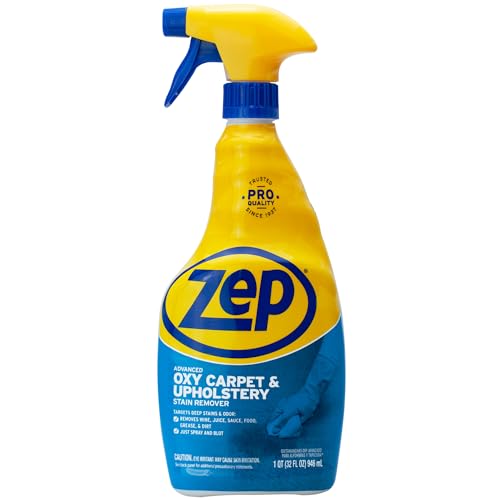
Zep ZUOXSR32 Advanced Oxy Carpet and Upholstery Stain Remover 32 Fl Oz, Pack of 1
Check price on Amazon
Dr. Beckmann Upholstery Stain Remover | Removes Even Stubborn Stains and odours from Sofas, car Seats etc. | Incl. applicator Brush | 400 ml
Check price on Amazon
CAMPANELLI Pro Series Carpet & Upholstery Stain Remover Spray, 18Oz Aerosol | Cleaner for Pet Stains, Food Spills, Rugs, Coffee, Wine and Odors with Convenient Point-and-spray Formula.
Check price on Amazon
FOLEX Professional Carpet Stain Remover Spray – Stain Remover for Old Stains – Best Remover for Pets – Rug Stain Remover & Upholstery Cleaner – Cleaner Solution for Couches & Car Interiors – 34 oz
Check price on Amazon
The Pink Stuff Miracle Foaming Carpet & Upholstery Stain Remover, 16 Fl Oz | Foaming Oxi formula penetrates stains, removes odors and tackles heavy soil and spills on colorfast carpets and upholstery
Check price on Amazon