
Sofa Size Guide: Dimensions, Measurements & Fit Tips
Everything you need to know about standard sofa dimensions, how to measure your room, and how to choose a sofa that fits perfectly the first time.
The Sofa Size Guide Philosophy: Buying a sofa that doesn't fit is one of the most expensive mistakes in home furnishing. This guide walks you through standard sofa dimensions, room measurement techniques, and clearance rules so you can order with total confidence.
Why Sofa Size Is the Most Important Decision You'll Make
Color, fabric, and style get all the attention, but size is the factor that determines whether a sofa actually works in your home. A sofa that is too large will choke the flow of a room, block doorways, and make a space feel cramped. A sofa that is too small will look lost against a large wall, leave awkward gaps, and fail to seat the number of people you need.
Unlike a rug or a lamp, a sofa is difficult and expensive to return. Freight fees, restocking charges, and the hassle of repackaging a 200-pound piece of furniture mean that getting the dimensions right before you order is essential. The good news is that sofa sizing follows predictable patterns. Once you understand the standard dimensions for each sofa type and learn how to measure your space correctly, choosing the right size becomes a straightforward calculation rather than a gamble.
If you are still deciding between layouts, start with our sectional sofa categories overview to understand how shape influences size, then return here to nail down the exact measurements.
Standard Sofa Dimensions by Type
While every manufacturer builds to slightly different specifications, the furniture industry generally follows standard size ranges. Knowing these benchmarks helps you compare listings quickly and spot unusual dimensions that might cause problems.
| Sofa Type | Typical Width | Typical Depth | Typical Height | Seats |
|---|---|---|---|---|
| Loveseat | 48" – 60" | 32" – 38" | 30" – 36" | 2 |
| Standard 3-Seat Sofa | 72" – 88" | 32" – 40" | 30" – 36" | 3 |
| Large 4-Seat Sofa | 88" – 100" | 35" – 42" | 30" – 36" | 4 |
| L-Shape Sectional | 100" – 130" | 60" – 90" | 30" – 36" | 5 – 6 |
| U-Shape Sectional | 120" – 160" | 80" – 110" | 30" – 36" | 6 – 8 |
| Reclining Sofa | 78" – 95" | 38" – 44" (reclined: 60"+) | 38" – 44" | 3 |
| Sleeper Sofa | 72" – 90" | 36" – 42" (open: 85"+) | 32" – 38" | 3 (sleeps 2) |
These figures represent the exterior footprint of the sofa. Always confirm whether a listing quotes overall width or seating width only, because the difference can be several inches on arm-heavy designs. For deeper guidance on specific configurations, explore our L-shape sectional sofa guide and U-shape sectional sofa guide.
The Five Key Measurements You Must Know
Every sofa listing includes a wall of numbers, but only a handful of them actually matter for fit. Focus on these five dimensions and you will avoid the most common sizing pitfalls.
1. Overall Width
The total distance from the outside edge of one arm to the outside edge of the other. This is the number that determines whether a sofa fits along a wall or between two obstacles. Measure your available wall space and subtract at least 2 inches of breathing room on each side.
2. Overall Depth
The distance from the front of the seat cushions to the back of the frame. This controls how much floor space the sofa consumes and how much walking room remains in front of it. Deeper sofas feel more luxurious but can overwhelm narrow rooms.
3. Overall Height
Measured from the floor to the top of the backrest. This matters most when a sofa sits beneath a window, a wall-mounted television, or a piece of art. Low-profile sofas under 32 inches work well under windows; taller backs offer more head support.
4. Seat Height
The distance from the floor to the top of the seat cushion. The comfortable range for most adults is 17 to 19 inches. Lower seats suit lounging and modern aesthetics; higher seats are easier to stand up from and suit older users.
5. Diagonal Depth
The measurement from the top of the backrest to the front of the seat, taken on a diagonal. This is the critical number for doorways and stairwells. A sofa can be narrow enough for a wall but still fail to make the turn into your living room.
How to Measure Your Room Before You Buy
Accurate room measurement takes about fifteen minutes and saves hours of regret. Follow this sequence to build a complete picture of your available space.
- Measure the full wall length where you intend to place the sofa. Write down the number, then mark where doors, windows, and heating vents interrupt that wall.
- Measure the depth of the space from that wall to the opposite wall or to the nearest major obstacle. This tells you the maximum sofa depth your room can absorb.
- Identify all traffic paths. Walk through your room and note where people naturally move between entryways, kitchen, and seating. You need at least 30 inches of clearance for a primary walkway and 18 inches for a secondary path.
- Mark the footprint with tape. Use painter's tape on the floor to outline the exact dimensions of the sofa you are considering. Live with the outline for a day. This simple trick reveals problems that numbers alone cannot.
- Measure every doorway and stairwell on the delivery route. Record the width and height of the narrowest point, then compare it against the sofa's diagonal depth.
- Account for reclining and sleeping space. A recliner needs 6 to 12 inches of clearance behind it and up to 24 inches in front when fully extended. A sleeper sofa requires an open footprint nearly equal to a queen bed.
For a deeper dive into arranging the result, see our sectional arrangement guide and sofa placement tips. If your room is on the smaller side, our small room layouts resource shows how to maximize seating without crowding.
Clearance Rules That Prevent Costly Mistakes
Clearance is the invisible dimension that separates a sofa that feels right from one that feels wrong. These are the industry-standard distances that professional designers rely on.
Minimum gap between a sofa and a coffee table. Anything less makes it difficult to walk through or sit down comfortably.
Minimum width for a primary walkway. This is the path people use most often, such as between the sofa and the television.
Comfortable walking distance in front of a sofa in a main living area. This allows two people to pass without turning sideways.
Space needed behind a reclining sofa so the backrest can fully recline without hitting the wall.
Minimum gap between the sofa and each side wall. This prevents the upholstery from rubbing and makes cleaning easier.
Clearance required in front of a sleeper sofa when the bed is fully extended. Plan this space before you buy.
If your layout involves an open floor plan, our open concept layouts guide explains how to use a sofa as a natural room divider without blocking sightlines. Pairing your sofa with a correctly sized rug also matters; see the rug placement guide for the proportions that work best.
Choosing Sofa Size by Room Type
The right sofa size depends as much on the room as on the number of people you need to seat. These recommendations reflect the proportions that work in real homes.
Apartments & Small Living Rooms
Under 500 square feet of living space calls for a sofa no wider than 78 inches. A loveseat or a compact apartment sofa preserves walkways. Consider a small space sectional with a reversible chaise to add seating without adding width.
Standard Living Rooms
Rooms between 200 and 400 square feet comfortably fit a 3-seat sofa between 78 and 88 inches wide. This is the sweet spot for most homes. A fabric sectional in an L-shape can seat five without dominating the room.
Large Living Rooms & Family Rooms
Rooms over 400 square feet can handle a large room sectional or a family room sectional up to 130 inches wide. A U-shape configuration creates a conversation zone that fills the space intentionally rather than leaving it feeling empty.
Basements & Bonus Rooms
Lower ceilings and irregular walls are common in basements. Measure ceiling height before choosing a tall-backed sofa. Our basement sofas guide covers the low-profile options that work best in these spaces.
Measuring for Delivery: The Step Most Buyers Skip
A sofa can fit your room perfectly and still never make it through your front door. Delivery failure is one of the most frustrating and preventable sofa buying mistakes, and it almost always comes down to one measurement: the diagonal depth.
To test whether a sofa will clear your entry path, measure the narrowest point along the entire route, including the front door, hallways, stairwell turns, and elevator dimensions if applicable. Then compare that number against the sofa's diagonal depth, which is typically 38 to 42 inches on a standard sofa. If the diagonal depth exceeds your narrowest clearance, the sofa will not fit unless the legs and arms can be removed.
Modular sofas solve this problem elegantly because each piece is smaller than the assembled whole. Our modular sectional sofa guide explains how to plan a configuration that arrives in manageable sections. If you have already purchased and need to assemble on site, the sectional assembly guide and sofa tools guide walk through the process step by step. For pieces that need to be broken down further, see sofa leg replacement and modular connectors.
Common Sofa Sizing Mistakes to Avoid
These errors appear again and again in furniture returns and buyer regret stories. Avoiding them costs nothing and saves a great deal.
- Measuring the wall but not the walkway. A sofa that fits the wall can still leave a room feeling impassable. Always measure the remaining floor space, not just the target wall.
- Trusting the product photo for scale. Showroom photography uses wide lenses and staged proportions. Rely on the listed dimensions, not on how large the sofa appears online.
- Forgetting the arm width. A 90-inch sofa with wide arms may offer the same seating width as an 80-inch sofa with slim arms. Compare seating width, not just overall width.
- Ignoring the reclining footprint. A recliner that looks compact in the showroom needs a surprising amount of space when fully extended. Measure the reclined depth, not the closed depth.
- Overlooking ceiling height in basements. Tall-backed sofas can feel oppressive under low ceilings. Measure vertical space as carefully as horizontal space.
- Skipping the tape outline. This five-minute exercise prevents most sizing surprises. It is the single most effective preparation step you can take.
For a broader list of pitfalls, see our sofa buying mistakes article. If you are still early in the process, the first sofa checklist and sofa spec glossary will help you read listings with confidence.
How Size Affects Price
Larger sofas cost more for obvious reasons: more fabric, more frame material, more filling, and more labor. As a general reference, a compact loveseat might start around $500, a standard three-seat sofa typically ranges from $800 to $2,500, and a large U-shape sectional can reach $3,500 or more depending on fabric and features. Reclining and sleeper mechanisms add $300 to $800 to the base price.
Budget-conscious buyers should compare value rather than sticker price alone. Our budget sofas guide and value for money sofas articles break down where the money actually goes. If you are considering a higher-end piece, the premium sofas guide explains what the extra investment buys. For timing your purchase around sales, see the sofa deals guide and sofa purchase timeline.
Recommended Sofas for Every Room Size
⚠️ AFFILIATE DISCLOSURE: This website contains affiliate links. As an affiliate Associate, we earn from qualifying purchases. If you make a purchase through these links, we may receive a small commission at no additional cost to you. Read our full affiliate policy.

Lift Recliner Sofa Slide Guide Parts for La-Z-Boy Replace 25000163-00 | Side frame guide track, Restores smooth recline and lift, Durable wear-resistant plastic
Check price on Amazon
GORILLA GRIP Couch Cushion Support Board for Sagging Sofas, 21.5x70 Grey | Heavy Duty Slip Resistant Thick Boards Add Strong Seat Supports for Couch, Replacement Stuffing Firmer Couches Accessories
Check price on Amazon
LAVEVE Heavy Duty Couch Cushion Support Board for Sagging Sofa, 21.5''x70'' | Extra Thick Solid Wood Under Couch Insert with Anti-Slip Dots, Repair Sagging Spring Sofa and Replace Worn Cushions
Check price on Amazon
ANTFEES Universal Sectional Sofa Interlocking, 8 Pieces Metal Couch Clips Sofa Connectors Bracket Furniture Connectors with Screws, 4 Sets
Check price on Amazon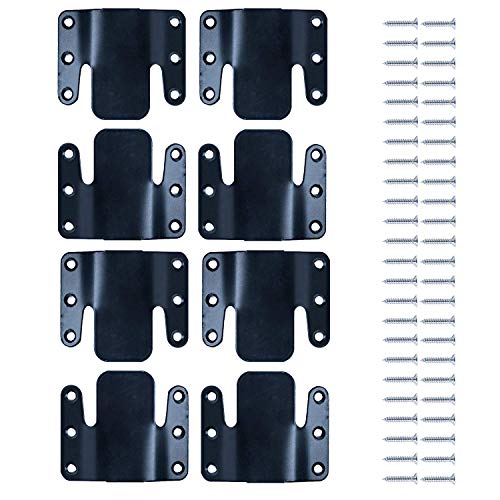
LazyMe Sectional Couch Connectors with Hardware, 4 Sets 8 Pieces | Universal Sofa Connector Brackets, Couch Connectors for Sectional Sofas, Interlocking Furniture Hardware
Check price on Amazon
Choose Sofa Guide
Check price on Amazon
AWTOK Sectional Sofa Connector Bracket, Sectional Couch Connectors Bands for Sectionals,Furniture Connectors with Screws,4 Pieces
Check price on AmazonFinal Thoughts: Measure Twice, Buy Once
Sofa sizing is not complicated, but it is unforgiving. The buyers who get it right are the ones who measure their room, measure their delivery path, and compare those numbers against real product dimensions before they click purchase. Every step in this guide takes minutes, and together they eliminate the risk that turns an exciting purchase into an expensive hassle.
Start with your room, choose your configuration from the sectional sofa categories, confirm the clearance rules above, and verify the delivery route. Do that, and the sofa you order will be the sofa that fits.